
Table of Contents
- The Best Supernatural Thriller Books for King Fans
- Paranormal Suspense Novels That Deliver Dread
- How to Find Your Next Read-Alike: A Reader’s Flowchart
- Audiobook-Specific Recommendations for Immersive Horror
- Why William Harben Belongs on Your Supernatural Thriller Shelf
- Common Mistakes When Choosing Supernatural Thrillers
- Conclusion
- Frequently Asked Questions
Last Updated: September 13, 2026
The Best Supernatural Thriller Books for King Fans
Finding a supernatural thriller that matches the pull of a great Stephen King novel comes down to one thing: atmosphere that does the work of the plot. King’s best books are not frightening because of the monster. They are frightening because the town feels real, the characters feel trapped, and the dread builds slowly enough that you stop noticing it until it’s too late. This guide from William Harben covers the authors and books that pull off that same trick, sorted by the specific flavor of King you are chasing.
Below, we break down small-town dread, psychological suspense, haunted investigations, gothic horror, and indie debuts, plus a flowchart for picking your next read and audiobook picks for the commute.
Small-Town Dread and Supernatural Entities
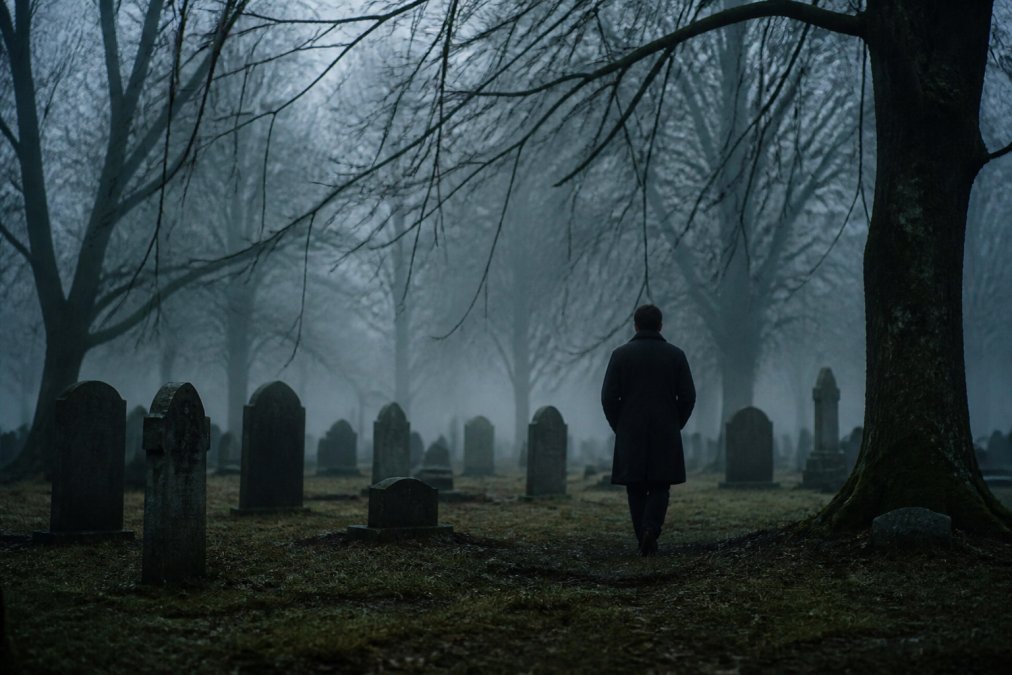
The small-town supernatural thriller is King’s signature move, and the authors who do it well understand that the town itself has to be a character. A common mistake readers make is chasing the monster instead of the setting. In practice, the setting is what keeps you up at night.
Look for books where the community closes ranks, where an outsider arrives and senses something wrong before anyone says a word. The best of these blend supernatural elements with a slow, unsettling reveal: a neighbor who knows more than she admits, a local legend everyone treats as harmless, a child who sees something no one else will confirm (loc.gov).
If you want a modern entry point, seek out contemporary horror that keeps the town small and the threat ambiguous. The dread comes from not knowing whether the evil is supernatural or simply human.
Psychological Suspense and Trauma-Driven Horror
Trauma-driven horror trades the haunted house for the haunted mind, and it is the closest cousin to King’s character-driven work (jstor.org). This is the sub-genre for readers who want the ghost to mean something.
These novels tend to be slower and more interior. The supernatural elements often function as metaphor, which is exactly why they land so hard. You are not just watching a character survive a haunting, you are watching them survive grief, guilt, or a memory they have spent years outrunning.
What most guides miss about this category is that the best examples never fully resolve whether the paranormal was real. That ambiguity is the point. If you like thrillers that leave you arguing with yourself after the last page, start here.
Paranormal Suspense Novels That Deliver Dread
Paranormal suspense novels sit at the intersection of crime fiction and the supernatural, and the genre is having a strong run. The tension comes from a mystery that has to be solved, layered over a presence that may not want it solved. For readers who want a page-turner with a spine-chilling edge, this is the sweet spot.
Atmospheric Ghost Stories and Haunted Investigations
A haunted investigation is a story structured around a mystery where the detective, journalist, or amateur sleuth is chasing a truth that the dead may be guarding. The best of them treat the ghost as evidence, not decoration.
Atmospheric supernatural fiction lives or dies on narrative pacing. Too fast and the dread never lands. Too slow and the reader checks out. The writers who get it right build tension in small increments: a cold room, a name that shouldn’t be on a list, a photograph with one extra figure.
When sampling a haunted investigation, read the first 20 pages before buying. If the author hasn’t established a specific place and a specific wrongness by then, the atmosphere probably won’t hold for 300 more pages.
Gothic Horror and Modern Indie Debut Authors
Gothic horror brings the old houses, the family secrets, and the slow rot beneath a respectable surface. It pairs beautifully with the current wave of indie and debut authors, who are taking gothic tropes and pushing them into contemporary settings.
This is one of the areas the big listicles overlook. Traditional publishers dominate the bestseller shelves, but some of the most unsettling, character-driven horror right now is coming from smaller presses and first-time novelists. They take bigger risks with narrative voice and structure, and the results are frequently more memorable than the safe, formulaic releases.
If you have burned through the obvious names, the debut shelf is where the next favorite is hiding.
How to Find Your Next Read-Alike: A Reader’s Flowchart
Use this decision framework to match the King trait you love most to the right book. Work top to bottom and stop at the first line that fits.
| If you love… | Pick a book that… | Best for |
|---|---|---|
| Small-town dread | Centers on a closed community with a secret | Readers who want setting as villain |
| Psychological trauma | Blurs the line between haunting and memory | Fans of character-driven suspense |
| Haunted investigations | Pairs a crime with a supernatural witness | Crime readers easing into horror |
| Gothic atmosphere | Uses an old house and a buried family history | Lovers of classic horror |
| A modern voice | Comes from a debut or indie author | Readers tired of bestseller formulas |
A quick way to use it: name the last King book that actually scared you, find its matching row, and start there. If you cannot decide, default to the haunted investigation row. It is the most reliable gateway for readers who usually stick to straight crime fiction.
Audiobook-Specific Recommendations for Immersive Horror
Horror is one of the few genres that genuinely improves in audio, and most recommendation lists ignore that entirely. A skilled narrator controls narrative pacing in a way the page cannot (PubMed). They decide how long a pause lasts, how quiet a whisper gets, and how much menace sits inside an ordinary sentence.
When choosing a supernatural thriller on audio, listen to the sample before you commit. You are auditioning the narrator, not the author. A flat performance will flatten even a genuinely spine-chilling book, while a great one can make an average plot feel cinematic.
A few practical notes from experience:
- Prefer unabridged versions for anything with a slow build. Abridgement cuts exactly the atmospheric passages that make horror work.
- Full-cast productions suit haunted investigations well, because multiple voices reinforce the sense of a community with something to hide.
- For late-night listening, keep the playback speed at normal. Speeding up a suspenseful novel destroys the tension building the author worked to create.
If you commute or walk the dog, audio is the fastest way to work through a reading list, and the immersion is often deeper than you expect.
Why William Harben Belongs on Your Supernatural Thriller Shelf
For readers who want the crime-thriller tension and the ghost story in the same book, William Harben is the place to start. His work sits precisely where this genre gets hard: it refuses to let the supernatural feel tacked on.
Harben’s debut novel, I’ve Been Waiting, follows a haunting journey of revenge, guilt, and redemption that challenges the boundary between justice and conscience. That is the exact balance readers complain is missing from most paranormal thrillers. The ghost element is not a gimmick bolted onto a crime plot. It is central to understanding what is happening and why it matters.
What sets the work apart is its emotional depth. The story is character-driven first, supernatural second, which means readers who normally avoid horror for the psychological crime side will find plenty to hold onto. It was a Finalist for Best New (Debut) Fiction at the 2022 American Writing Awards, so the “award-winning” claim is a matter of public record, not marketing language.
The best test of a supernatural thriller is whether the story collapses without the ghost. In I’ve Been Waiting, it does. The supernatural element carries the theme, not just the scares.
The novel stands alone, so there is no series commitment required before you know whether you like the voice. If you have been burned by thrillers that promise complex characters and deliver flat ones, this is the counterexample worth trying.
Common Mistakes When Choosing Supernatural Thrillers
Most disappointing reads come down to a mismatched expectation, not a bad book. Here are the traps to avoid.
Chasing the monster instead of the mood. Readers who buy for the creature are often let down, because the creature is rarely the point. Buy for the atmosphere and the character, and the horror lands harder.
Ignoring the sub-genre label. Gothic horror and psychological suspense deliver very different experiences. Grabbing a gothic novel when you wanted a fast crime plot is the fastest route to a DNF.
Skipping the sample. A two-minute audio sample or a first-chapter preview tells you more than any blurb. Narrative voice is the single best predictor of whether you will finish.
Assuming debuts are weaker. Some of the most original contemporary horror is coming from first-time authors. Dismissing them means missing the books everyone will be recommending in two years.
Do not judge a supernatural thriller by its plot summary alone. Two books can share an identical premise and deliver completely different reading experiences, because the difference lives in the narrative voice and pacing, not the concept.
Conclusion
The right supernatural thriller alternative to Stephen King is the one that matches the specific dread you are chasing, whether that is a small town with a secret, a haunted investigation, or a trauma-driven ghost story. If you want that blend of crime-thriller tension and genuine supernatural weight in a single standalone novel, William Harben delivers it with I’ve Been Waiting, an award-recognized debut built on complex characters, moral tension, and a haunting that actually means something.
Most readers who love King are really chasing one feeling: the sense that something is wrong in a place that should be safe. Finding it in a new author takes patience, and too many promising books turn out to be crime novels with a ghost pasted on top. William Harben writes the version where the supernatural is load-bearing, with a character-driven story that explores loss, vengeance, and redemption without flinching. Order your copy of I’ve Been Waiting today and see why it earned recognition as a finalist for Best New (Debut) Fiction.
Frequently Asked Questions
What authors write supernatural thrillers similar to Stephen King?
Several authors capture King’s blend of small-town dread and supernatural elements. For psychological suspense, try titles that explore trauma and the paranormal. For atmospheric ghost stories, look at modern indie authors who blend crime and the supernatural. William Harben’s ‘I’ve Been Waiting’ offers a similar mix of revenge, guilt, and ghostly presence. Focus on books that prioritize character-driven narratives and tension building over jump scares.
What are the defining characteristics of a supernatural thriller?
A supernatural thriller combines the pacing and suspense of a thriller with supernatural elements like ghosts, psychic abilities, or unexplained phenomena. The best ones feature atmospheric settings, complex characters, and a sense of dread that builds throughout. Unlike pure horror, the supernatural often serves the psychological journey. Look for narrative pacing that keeps you turning pages while the paranormal adds emotional depth and unsettling questions.
Are there modern authors who capture the same atmosphere as classic horror writers?
Yes, many contemporary authors channel the gothic horror and macabre tone of classic writers while updating it for modern readers. They often blend literary horror with psychological suspense, creating chilling atmospheres and character-driven plots. Indie and debut authors are particularly worth exploring for fresh takes on haunted investigations and supernatural entities. These books often feature spine-chilling moments without sacrificing emotional resonance.
How do I find new supernatural thriller authors to read?
Start by identifying what you love most about King’s work: is it the small-town setting, the supernatural entity, or the psychological trauma? Then search for read-alikes in that specific sub-genre. Book recommendation sites, Goodreads lists, and audiobook platforms can help. Also, check award lists for debut fiction, which often highlight fresh voices in paranormal suspense. Don’t be afraid to try indie authors; they frequently push boundaries in contemporary horror.